



 |
Products
 Camera Drones
Xingkong 120 Turbojet Engine, 115daN Thrust RC Turbine Jet Engine for Aerial Platform
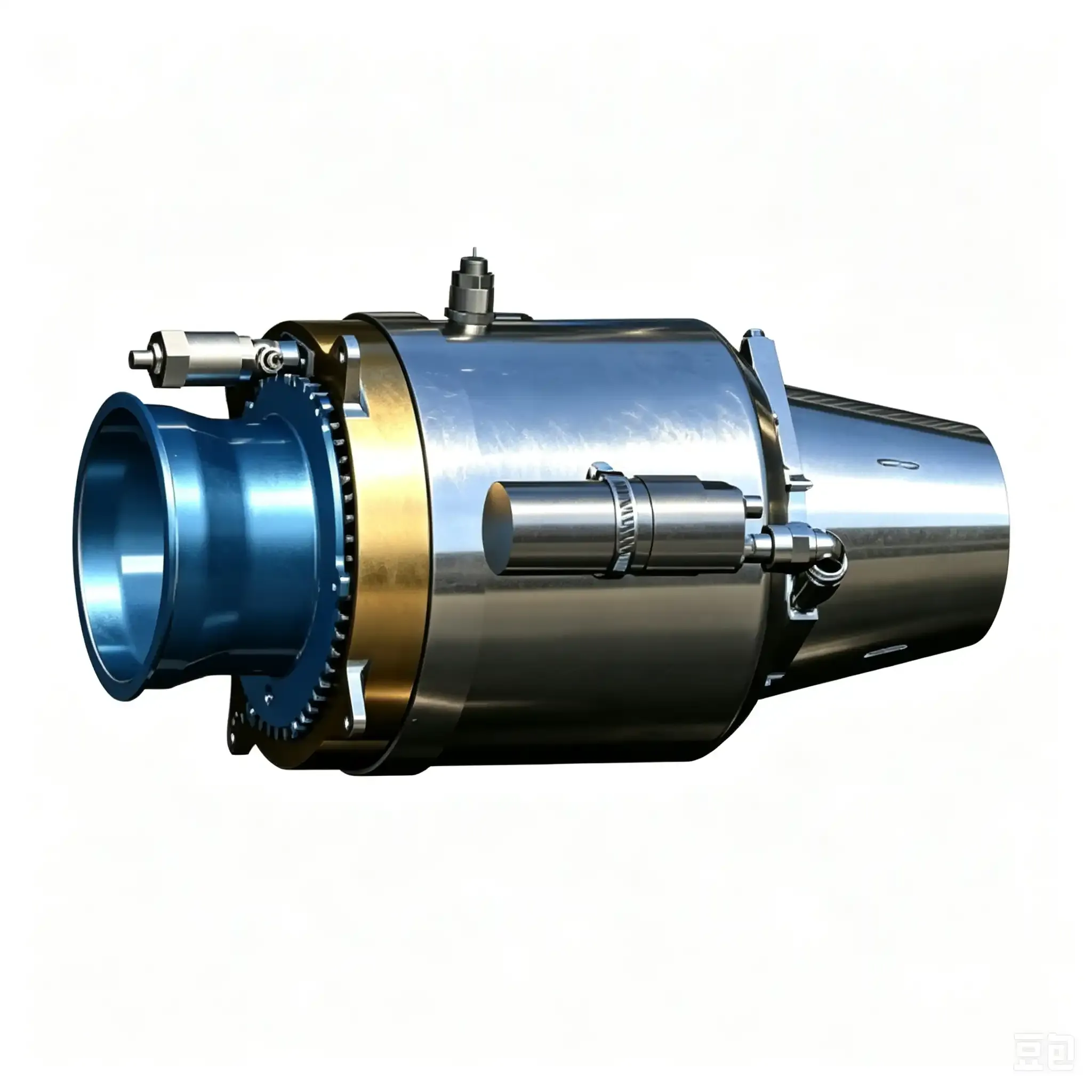
Xingkong 120 Turbojet Engine, 115daN Thrust RC Turbine Jet Engine For Aerial Platform

 453
- Color: Default Color
- Size: Default Size
- Origin: China
- Usage: Default Usage
- Type: Default Type
- Efficiency: 99.9% Type
Additional Information


Description:
Max Physical Operating RPM: 56000rpm
Minimum Static Thrust at Max RPM: ≥115 daN
Fuel Consumption at Max RPM:≤1.25kg/daN·h
Maximum Allowable Exhaust Temp: ≤900℃
High-Altitude Performance (H=10000m, Ma=0.8, σ=0.97): Min Thrust ≥44 daN, Consumption ≤1.55 g/daN·h
Max Operating Altitude: 12000 m
Above Sea Level Max Operating Mach Number: 0.95MaEngine
Outer Diameter: Φ228mm±1mm
Engine Length: 571.5mm±1.5mm
Design Service Life: ≥20 Flight Hours Working
Ambient Temp: -50℃~+60℃ Storage
Temp Range: -55℃~+70℃
120 Turbojet Engine for RC Planes, Target Drones, and UAV Platforms
Treasure Marine presents small-sized turbojet engines. They can meet the requirements of most target drones, RC planes, and UAVs. Their strength-to-weight ratio is compatible with the structures of most devices. The flights will be in precise balance after their installation. Their fuel consumption is economical. End users will find these turbojet engines a perfect choice for flight simulation operations. Defense and research sectors look for such high-performing miniature turbojet engines. Besides research, even recreational activities like RC plane competitions need them. They contain a one-click automatic startup system to start instantly. Not only is starting good, but the flights will be very efficient and stable.
Key Specifications of the 120 Turbojet Engine:
· Net weight: 12 kg
· Diameter: 228 mm
· Length: 572 mm
· Thrust: Above 115 N
· Fuel: Kerosene and mixing oil
· Exhaust temperature: 900 degrees C
· RPM: 56000
· Operating temperature: -50 – 60 degrees C
· Fuel consumption rate: 1.25 kg/(daN·h)
Supports High-Altitude Flights for Optimum Results
They can help target camera drones, RC planes, and UAVs reach up to 10,000 m altitude. This is because they have many similarities with real jet engines. Their mechanism supports aggressive and normal flights to provide desired results. Performing simulations of jets and target drones will be easier with them. Flights will be stable whether they are at normal or high altitudes. The air pressure and various weather factors will have less impact on the flight. These turbojet engines are safe, reliable, and cooperative for all applications.
Top Products

Related Products

Treasure Marine (Shibaohai (Liaoyang) Trading Co., Ltd.)

Have a question or need a quote? Fill out this form and our team will get back to you quickly!